Why appearance can mislead
A cat can look strongly like a popular breed while still having a broader domestic background in the DNA report.

Breed questions come up constantly because many household cats look like a Bengal, Maine Coon, Russian Blue, or another familiar breed at first glance. Genetics can help, but it does not always produce the tidy label people hope for.
That does not make the report useless. It simply means the best outcome is often a realistic mix of similarity clues, broader lineage context, and an honest explanation of what remains uncertain.

A cat can look strongly like a popular breed while still having a broader domestic background in the DNA report.
Mixed and unknown-breed cats often produce broader similarity signals rather than a clean purebred-style answer.
Even an imperfect breed picture can be useful when it gives you a clearer frame for ancestry, traits, and health context.
Breed questions come up constantly because many household cats look like a Bengal, Maine Coon, Russian Blue, or another familiar breed at first glance. Genetics can help, but it does not always produce the tidy label people hope for.
That does not make the report useless. It simply means the best outcome is often a realistic mix of similarity clues, broader lineage context, and an honest explanation of what remains uncertain.
Breed-specific expectations for popular purebred lookalikes
For broader shopping context, compare the market through best cat DNA test options, then use the FAQ when you want shorter direct answers.
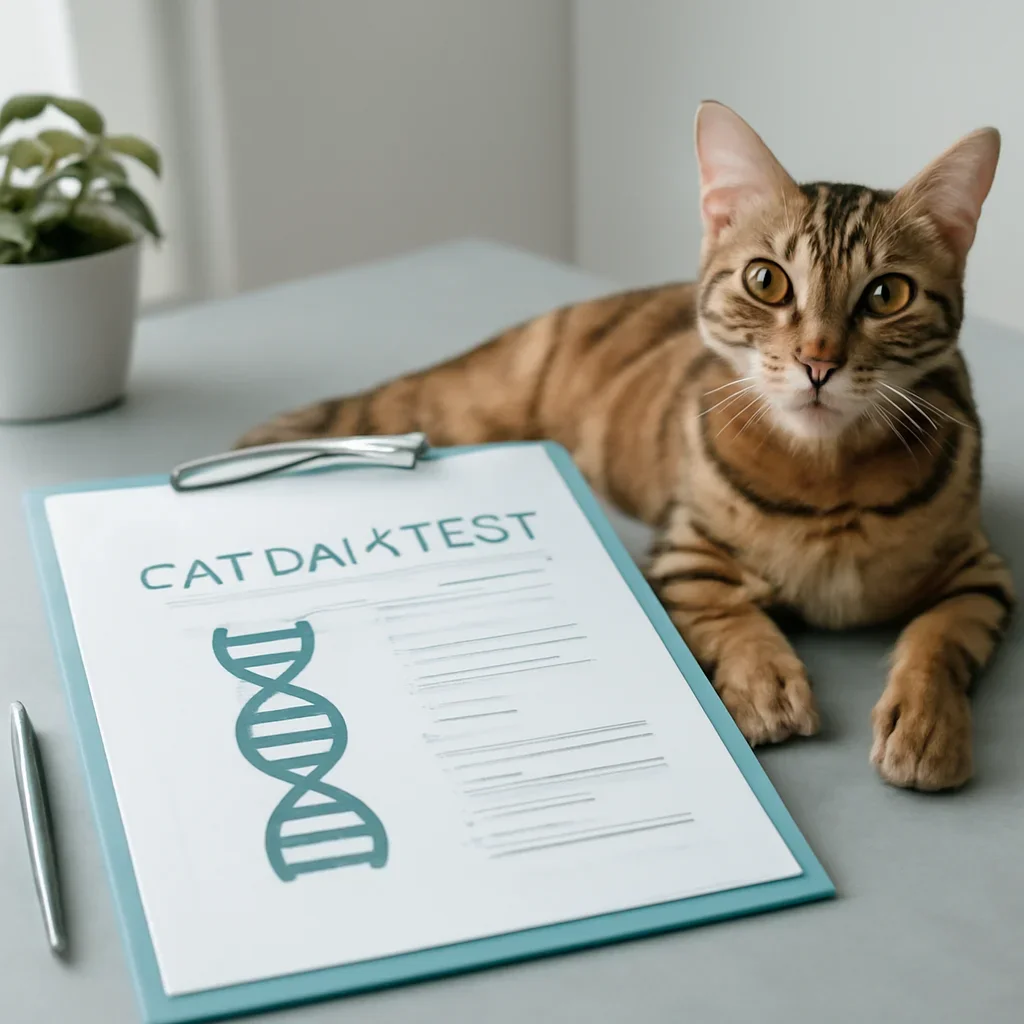
A better outcome starts by naming the decision behind the search rather than jumping straight into features.
The next step is to compare products or labs built for that category of question.
Good interpretation separates useful evidence from background detail instead of flattening everything into one verdict.

Cat DNA tests for Bengal, Maine Coon, Manx, and more matters most when the question behind the search is specific enough to match a real product or lab path.
That is why these guides keep returning to the same practical check: what answer are you looking for, and which type of provider can actually support that answer well?
Yes, but the value usually comes from broad breed similarity, ancestry patterns, or health context rather than a neat purebred label. The most satisfying results come when expectations stay flexible.
Appearance can be shaped by a small set of visible traits that do not tell the whole ancestry story. A cat can resemble a breed strongly without having the documentation or full genetic background of a registered purebred line.
No. Breed identification estimates similarity or likely heritage, while pedigree proof depends on records, parentage, and registry standards.
Bring the real question with you, whether it is breed mix, health context, ancestry, or relatedness. The right path gets shorter once that question is named clearly.