Why targeted screening helps
A condition-led screen can be more useful than a broad package when the concern is already narrow and specific.

Health-focused feline genetics is most useful when the question is defined clearly. A broad screen can be helpful, but sometimes the better move is a targeted test for a condition already linked to a breed line or clinical concern.
The language around health DNA can sound heavier than it is, so the key is to read each finding as context for care or breeding decisions rather than a diagnosis on its own.
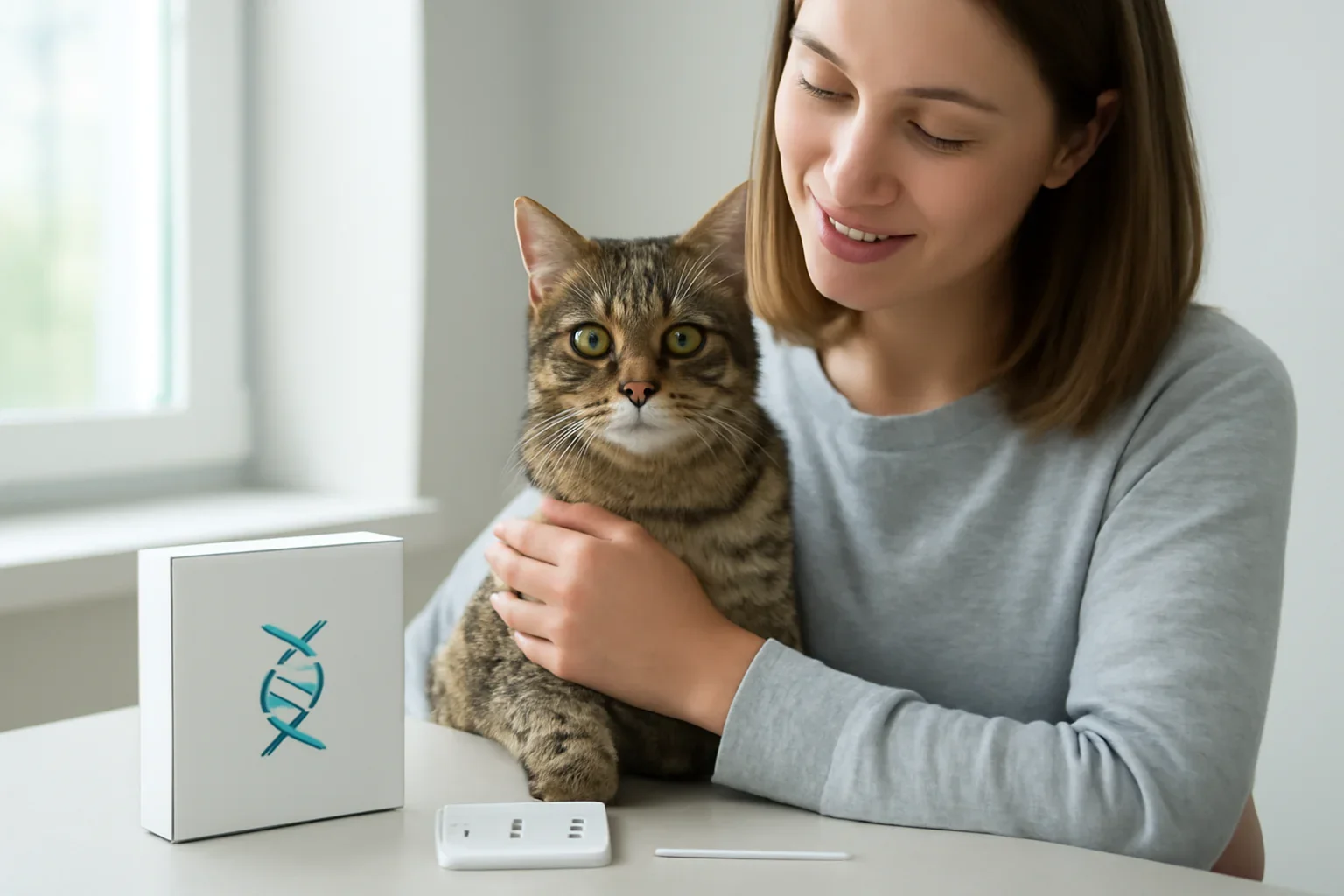
A condition-led screen can be more useful than a broad package when the concern is already narrow and specific.
The result belongs inside a larger health conversation that includes symptoms, breeding history, and veterinary advice.
It cannot tell you everything about current disease status or predict the future with certainty.
Health-focused feline genetics is most useful when the question is defined clearly. A broad screen can be helpful, but sometimes the better move is a targeted test for a condition already linked to a breed line or clinical concern.
The language around health DNA can sound heavier than it is, so the key is to read each finding as context for care or breeding decisions rather than a diagnosis on its own.
PKD, hereditary conditions, and how health screening fits into DNA testing
After reading this guide, most people benefit from checking the comparison hub or pricing context so the next decision is grounded in real options.

Testing becomes more useful when you know whether you are checking a broad screen or a specific inherited condition such as PKD.
A risk or carrier finding adds information, but it is not the same as diagnosing a current illness.
Talk through any meaningful finding with a veterinarian or breeder advisor who can connect the result to the cat in front of you.

Cat genetic health screening for PKD and other risks matters most when the question behind the search is specific enough to match a real product or lab path.
When the testing purpose is clear, the rest of the market becomes easier to read and a lot of confusing claims fall away.
No. It can show inherited risk or carrier information, but diagnosis still depends on the cat's symptoms, exam findings, and clinical testing.
Because it is one of the better-known inherited conditions discussed in cat breeding and screening conversations. Targeted testing matters when a breed line or breeding plan raises the question.
The next step should be interpretation with a veterinarian or breeding advisor who can connect the result to the cat, the condition, and any follow-up testing that makes sense.
Start with the testing goal, then narrow the provider type. That one change usually saves more time than comparing every feature on every product page.