What this angle changes
Use DNA insights to improve adoption stories and care planning

Rescues and shelters rarely need DNA reports for the same reasons as breeders. The value is often in storytelling, helping adopters understand a cat’s likely background, and giving staff a more engaging way to talk about traits or possible health considerations.
Used carefully, results can support adoption conversations without pretending that genetics alone predicts behavior or guarantees future health.
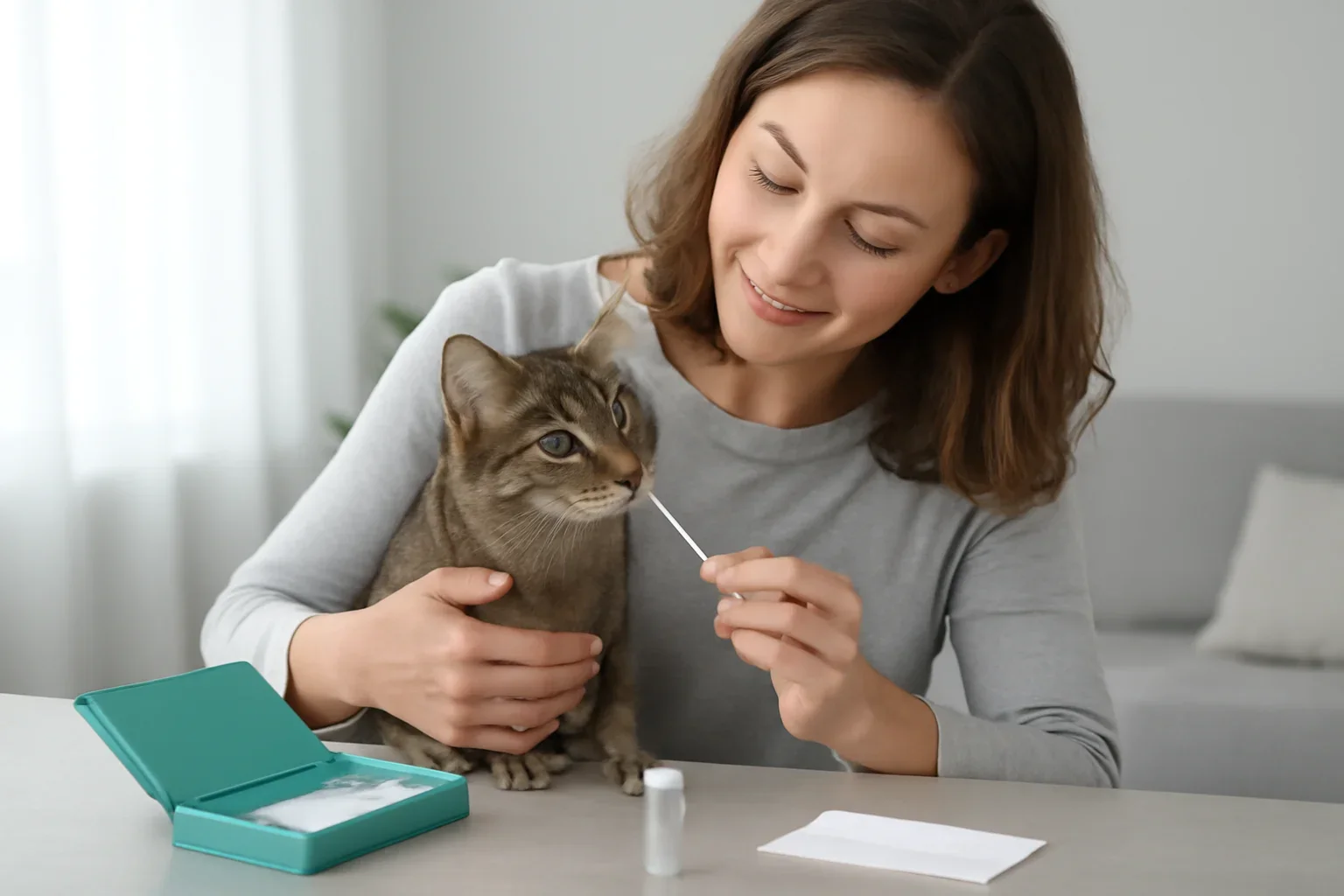
Use DNA insights to improve adoption stories and care planning
A vague buying goal often leads to the wrong product even when the provider itself is reputable.
A short detour into pricing, comparisons, or support content usually makes the decision easier instead of slowing it down.
Rescues and shelters rarely need DNA reports for the same reasons as breeders. The value is often in storytelling, helping adopters understand a cat’s likely background, and giving staff a more engaging way to talk about traits or possible health considerations.
Used carefully, results can support adoption conversations without pretending that genetics alone predicts behavior or guarantees future health.
Good authority page even if low direct keyword demand.
The same test can feel useful or awkward depending on who has to use the report and what they need to do with it.
A consumer dashboard, a breeder panel, and a clinic-facing workflow solve different problems.
When audience fit is right, the next step after the report feels clearer and more practical.
Rescues and shelters rarely need DNA reports for the same reasons as breeders. The value is often in storytelling, helping adopters understand a cat’s likely background, and giving staff a more engaging way to talk about traits or possible health considerations.
Used carefully, results can support adoption conversations without pretending that genetics alone predicts behavior or guarantees future health.
Once this angle is clear, the next useful pages are usually comparisons for provider fit, pricing for cost context, and support topics for practical questions.
Yes. A pet owner, a breeder, a rescue, and a veterinary clinic often need different kinds of reports and very different follow-up steps.
Only sometimes. A provider can be strong for one audience and awkward for another if the workflow or report style does not match the job.
Know who will use the report, what decision depends on it, and whether the cat is mixed-breed, pedigreed, or part of a breeding program.
Pick the outcome before the brand. That keeps the research grounded in what the report needs to deliver after the swab is sent.